The Rosetta Stone is one of the most important objects ever discovered by human beings — not for its beauty, not for its age, but for what it made possible: the decipherment of hieroglyphs and the recovery of over 3,000 years of ancient Egyptian civilization.
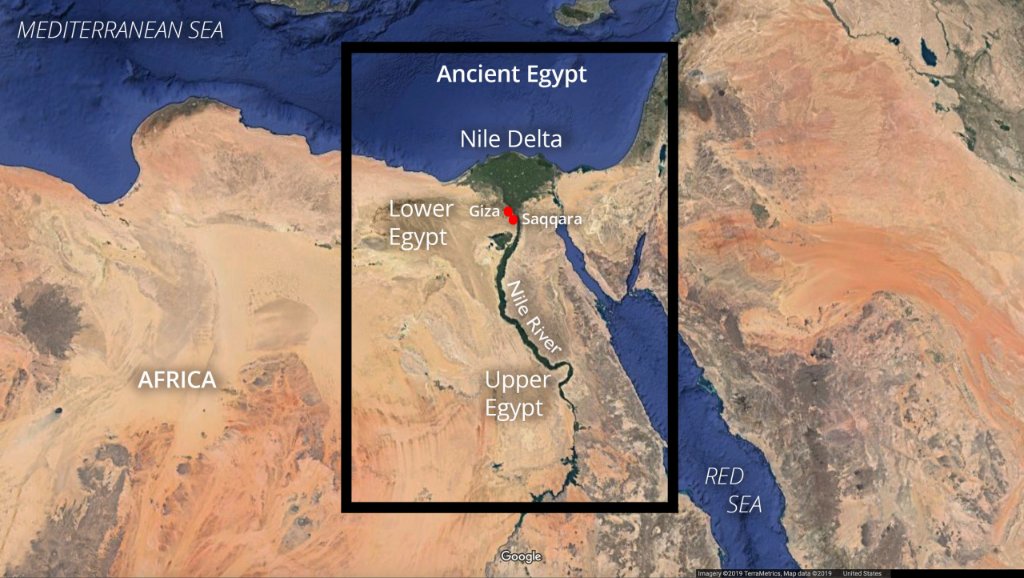
In July 1799, soldiers of Napoleon's Egyptian expedition were digging foundations near the town of Rashid — Rosetta in European languages — in the western Nile Delta. One of them struck an unusual stone: a slab of black granodiorite, about 112 centimeters tall, inscribed with three parallel texts in three different scripts.
The three scripts were hieroglyphs — the ancient formal writing of Egypt; Demotic — the administrative cursive script of late-period Egypt; and ancient Greek, which 18th-century scholars could read. The texts turned out to be three versions of the same document: a priestly decree issued in 196 BC honoring the young pharaoh Ptolemy V.
Scholars immediately realized what they had: a bilingual key that might unlock the hieroglyphic script, which no one had been able to read for over a thousand years.
After Napoleon's defeat, the stone passed to British hands and was sent to the British Museum in London, where it has been displayed since 1802 and remains the museum's most visited object. Egypt has formally requested its return.
Deciphering the stone was not simple. The breakthrough came in 1822, when the French scholar Jean-François Champollion announced that he had cracked the code. Champollion realized that hieroglyphs were not, as previously thought, purely symbolic — they represented sounds as well as concepts, making the system far more complex than anyone had imagined.
With the Rosetta Stone as his key, Champollion opened the door to the ancient world. For the first time in over a millennium, scholars could read the inscriptions on temple walls, tomb paintings, and papyrus scrolls — and ancient Egypt began to speak again.