Egypt has one of the largest and most diversified economies in the Arab world and Africa, supported by a unique combination of historical assets and modern industries.
Tourism is among Egypt's most important economic sectors. The country's incomparable archaeological heritage — the pyramids, the Nile temples, the Red Sea resorts — attracts millions of visitors annually, generating billions of dollars in revenue and directly employing hundreds of thousands of Egyptians. The industry is deeply sensitive to political stability, and the years following the 2011 revolution saw significant disruption before a gradual recovery.
The Suez Canal is one of Egypt's most critical economic assets — a 193-kilometer waterway connecting the Mediterranean to the Red Sea, through which approximately 12-15% of world trade passes annually. The canal was nationalized by President Nasser in 1956 — a defining moment in Egyptian and Arab history — and today its revenues provide a major source of government income.
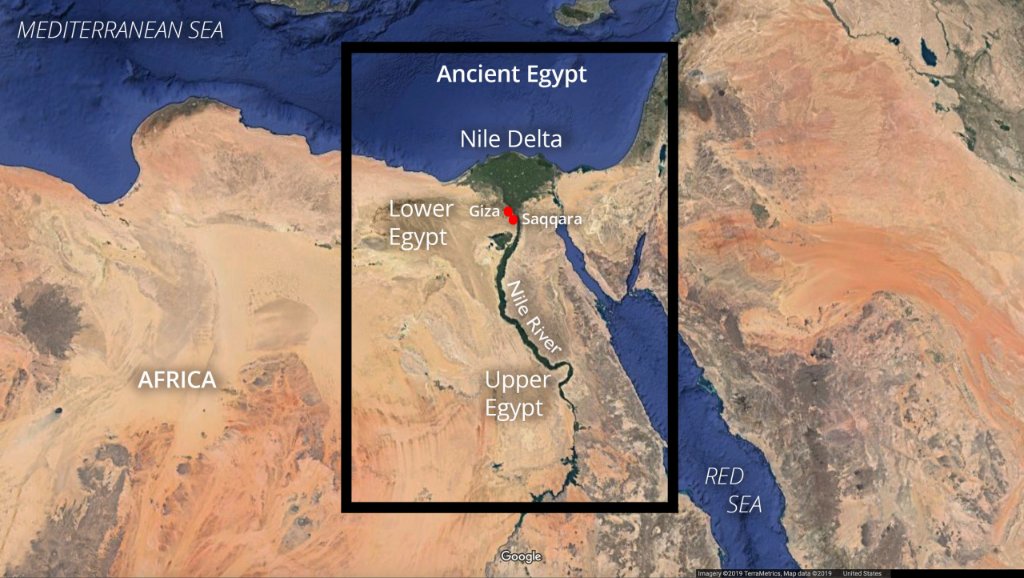
Agriculture, though it employs a large share of the workforce, is constrained by Egypt's geography. The fertile Nile Delta and Valley produce cotton, wheat, rice, sugarcane, and vegetables, but Egypt must import significant quantities of food to feed its population — particularly wheat, of which it is one of the world's largest importers.
Oil and natural gas production — primarily in the Sinai, the Western Desert, and offshore in the Mediterranean — provide important revenues, and recent discoveries of massive offshore gas fields have significantly improved Egypt's energy position.
Remittances from the estimated 10 million Egyptians working abroad — particularly in the Gulf states — represent another major source of income for the country.
Egypt faces significant economic challenges: rapid population growth, youth unemployment, subsidy reform, and currency management. But its size, location, educated workforce, and extraordinary cultural assets position it as one of the region's pivotal economies.